Polyvagal Theory- What do therapists do when the science shifts?
My toxic trait is that I really, really can’t stand when therapists use nonsense and pseudoscience as a basis for their therapy. I understand that therapist-client fit and other factors impact client outcomes more than the therapist’s modality of choice, and intellectually, I’m cool with my colleagues who do pretty out-there stuff (as long as it’s not harmful) and see that clients DO get better. But personally- I get cranky and judgy when I see folks leaning on what amounts to nonsense.
So you might understand how I felt when I saw that Polyvagal Theory (PVT) has been scathingly debunked- unlike what I’d usually categorize as “nonsense,” PVT is definitely in the “neighborhood” of therapy modalities I’ve studied. Let me let Wikipedia explain- PVT, as introduced by Stephen Porges, focuses on the “role of the vagus nerve in emotion regulation, social connection, and fear responses.” In more practical therapy terms, it got pretty popular because it gave therapists and their clients a pretty clear, body-based map for healing trauma. You might have heard language like “ventral vagal” “sympathetic” and “fight/flight/freeze” to describe the nervous system. You may have even seen an instagram ad or two selling a device that promises to “tone” the vagus nerve.
Now, neuroanatomists are saying that a lot of the neuroscience simply doesn’t hold up- going so far as to call it “untenable.” And the evolutionary explanation doesn’t track, either. This sent me on a bit of a reckoning and research pathway that I want to share. For full disclosure, I volunteered for free entry at a Porges-led weekend long conference in 2010. My degree is in somatic (body based) psychotherapy, and PVT was one of the theories that were taught. And while I don’t really use it, I did the first level of Sensorimotor Psychotherapy training in 2018. In the early years of my work, I definitely used some of the PVT language to help clients understand their trauma responses.
I’ve also been suspicious about it for a while now. I’ve always been a little wary of psychotherapy that justifies itself on neuroscience- I have rarely met a therapist trained in neuroscience enough to think critically about it. And neuroscience just doesn’t feel terribly relevant clinically- I’m looking for results and I don’t own an EEG! So I’ve slowly been transitioning my approach to more experiential and observational methods- we are looking at what’s actually happening and not what we are told a picture of someone else’s brain is doing. The map and the territory are not the same thing, and while I think PVT might still be a useful map to help us navigate, we are out there in the terrain together, and building a better one.
The observable phenomena of PVT are still legit- people do “freeze,” and emotional regulation still happens both with others (coregulation) and through the body. For another example, the explanation of depression as a “chemical imbalance” is now under significant doubt, but SSRIs do help some people, and successful therapy actually does alter the chemical balance of the brain. We can and do navigate complex territory with maps that aren’t perfect.
So I got lucky- and the clinical training I have is still pretty “safe” from this new information. But what would I do if it turned out my work was actually based on junk science? The impressive thing to say is that I’d be on a plane bound for an intensive training in something new the next day. But, honestly, I’d probably have to grieve for a while first. And that’s okay. Changing things up suddenly would be jarring for my clients- something that would cause pretty significant harm. So I’d have to take a step back, pull in the knowledge I do have, and gradually shift the work into something more solid.
This is not just a therapist’s dilemma. We are all navigating from incomplete “maps.” It may be how you conduct your work, or what you feel about your partner, or how you feel in a crowd of strangers- we are running all kinds of frameworks, all the time. And that’s not a bad thing at all. We’d be a mess if we didn’t have some maps, and they allow us to make sense of things and understand them.
And some of those maps are going to be very, very broken, causing so much harm. That’s what therapy is for: taking a step back to see those beliefs in action so we can adjust them. In fact, I am often so proud of my clients when they are able to see that their current stories aren’t working, and hang out in that uncomfortable middle zone where you’re still kind of clinging to the crappy story, and also willing to try something new on. That’s brave and really powerful.
As for my work, I’m glad to be confident that AEDP and somatic approaches still work well. And I’m also grateful to have my understanding of it be destabilized for a while. At the end of the day, outcomes are what matters- I’m always tracking whether my clients are getting closer to their goals. I can hold the mechanics of “how” lightly, as long as I stay committed to the truth.
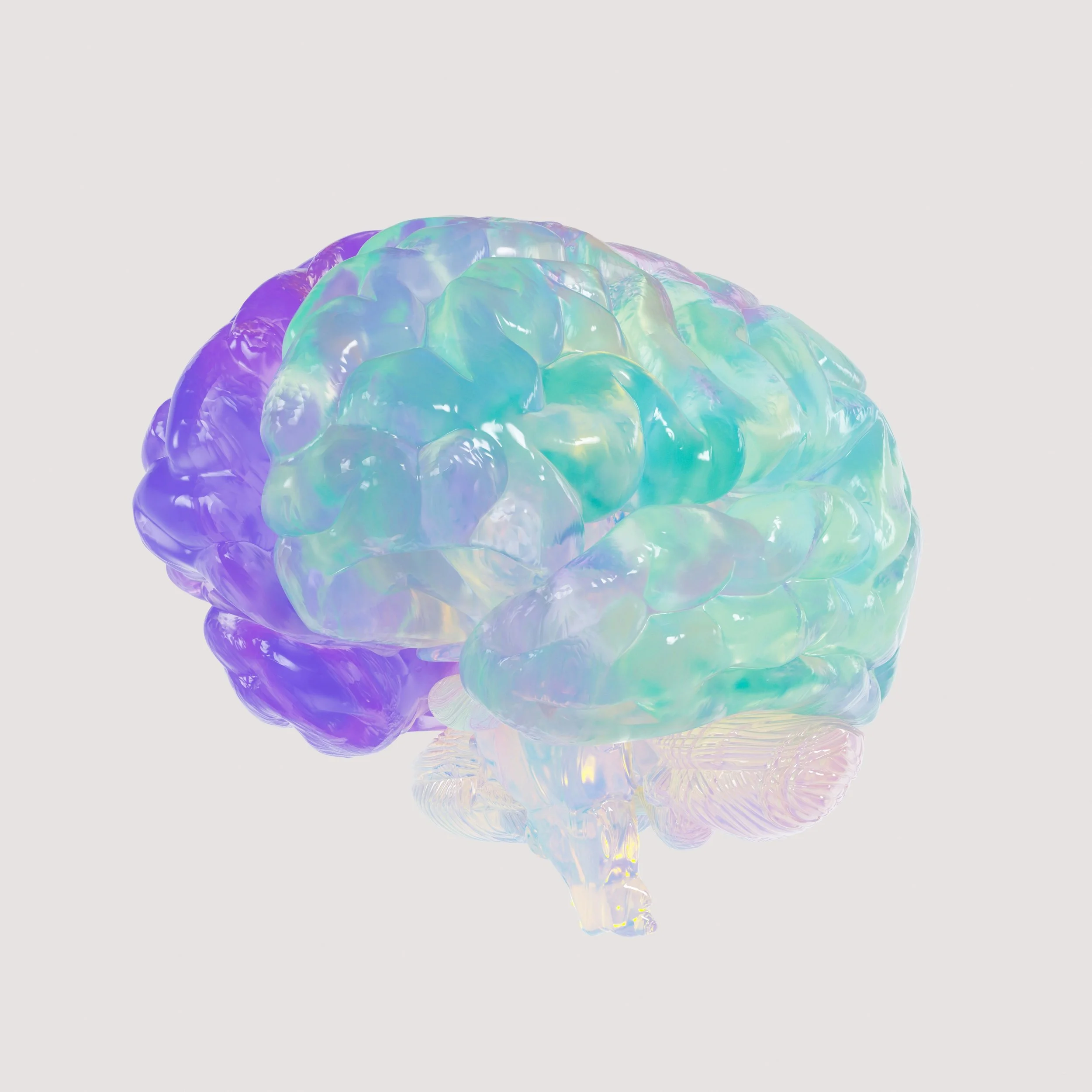
Photo credit: Maxim Berg via Unsplash
